
Expert Buying Guides for Thermal Optics, Night Vision & Hunting Gear
Making the right gear decision starts with understanding what matters most. Our buying guides break down key features, performance considerations, and real-world applications to help hunters and shooters confidently select the right equipment for their needs. Whether you’re investing in your first thermal scope or upgrading your current setup, our guides provide practical insights without the marketing hype.
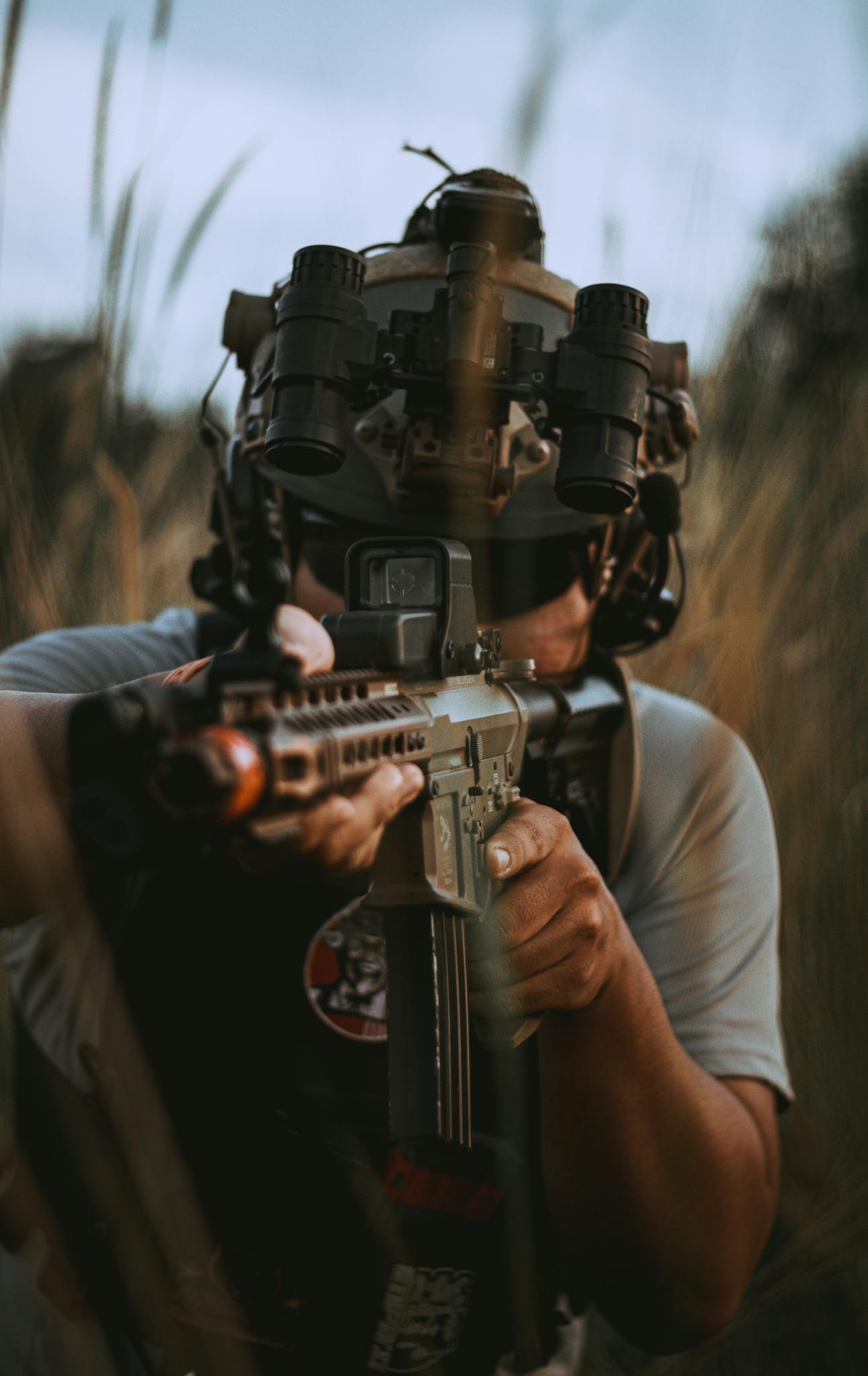
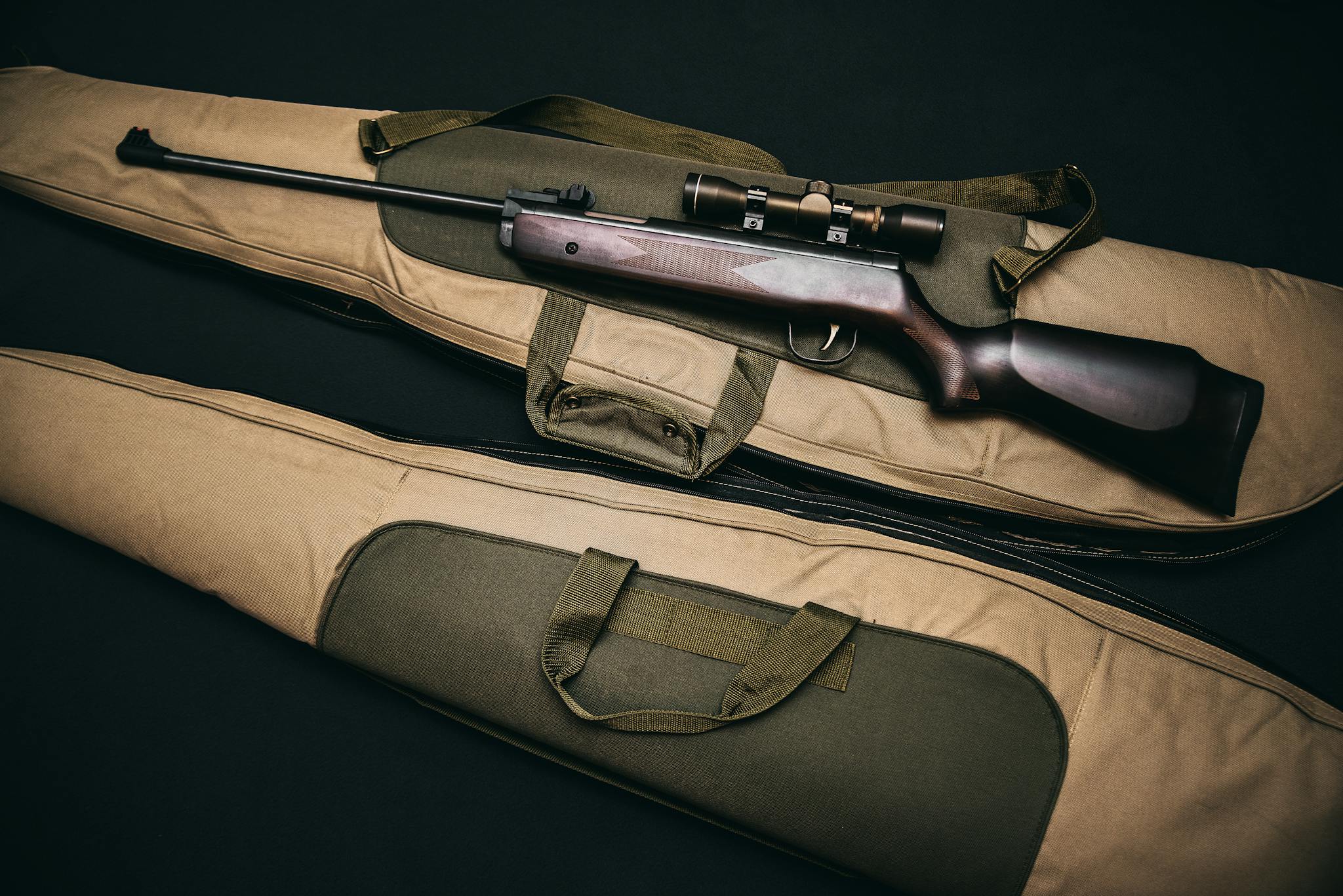
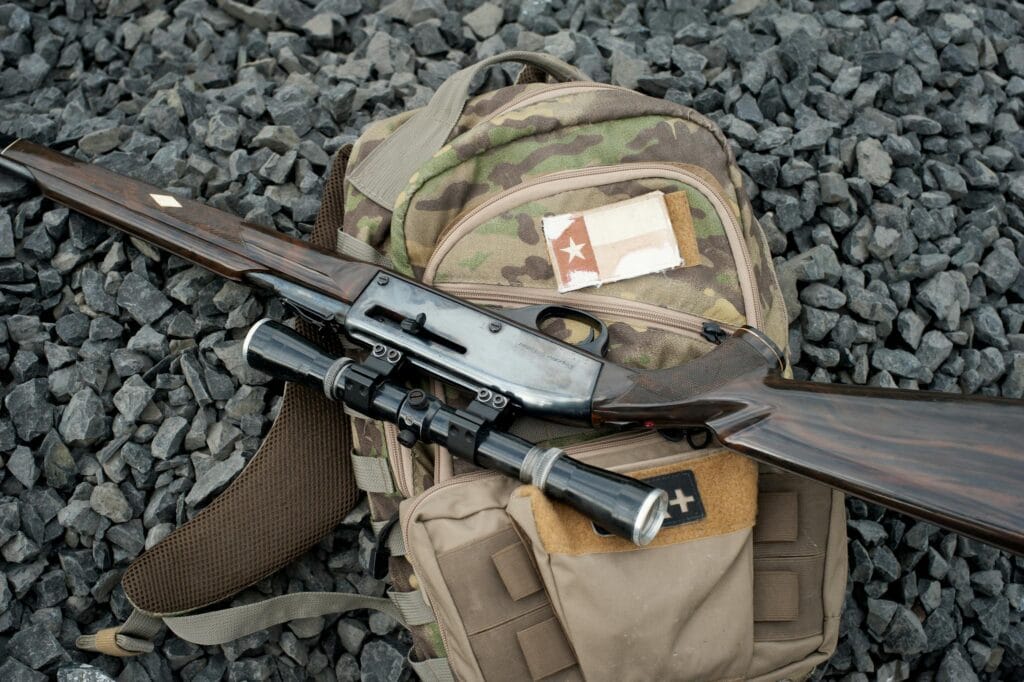
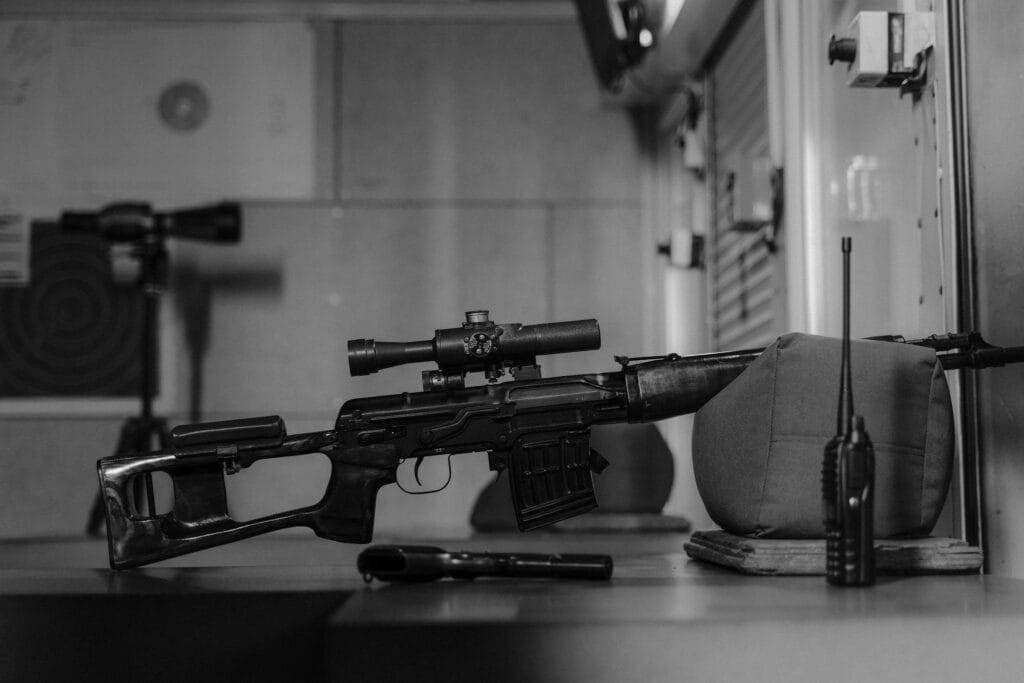
Explore Buying Guides
Make Smarter Gear Decisions Before You Buy
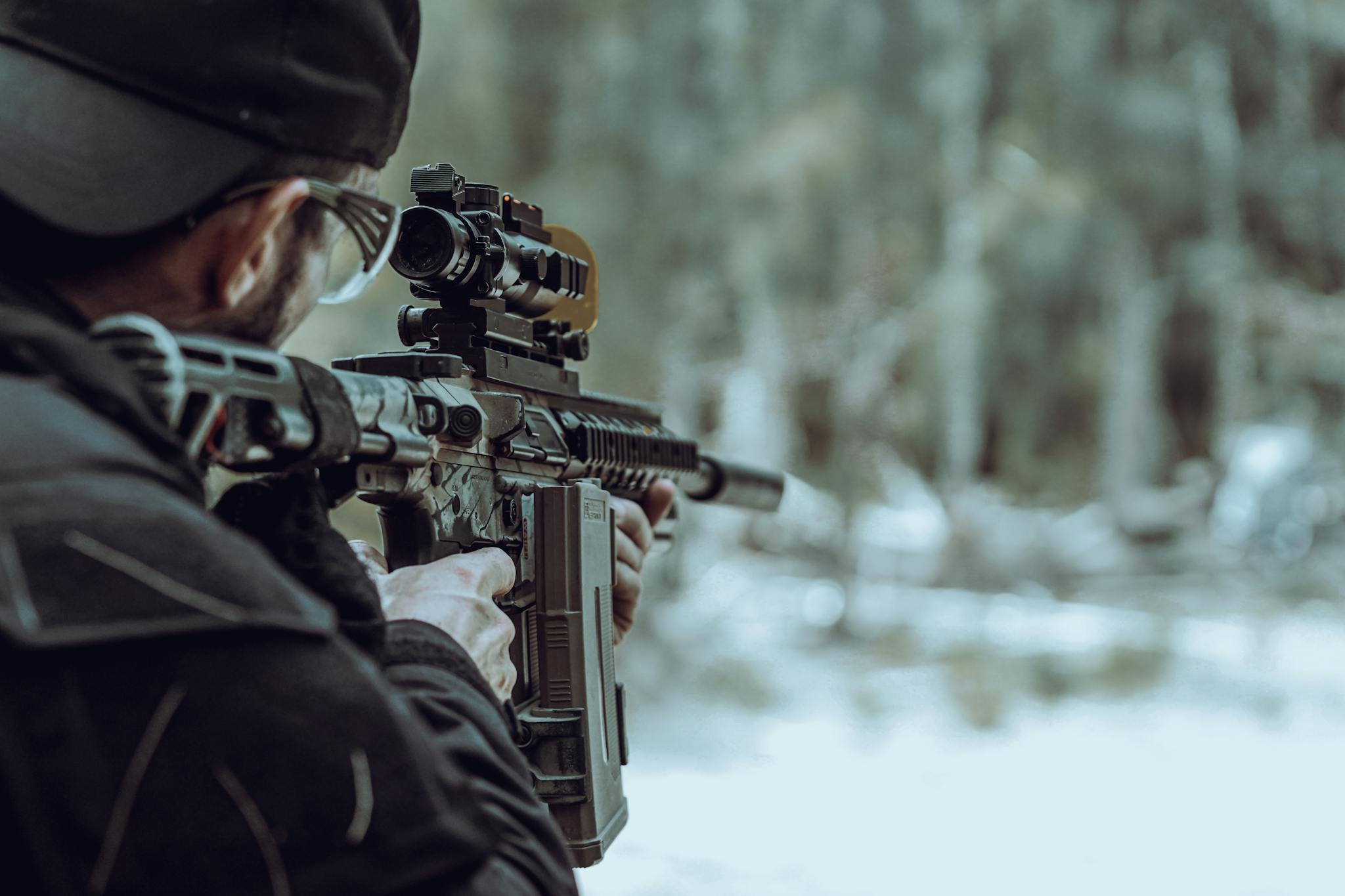
From thermal imaging and night vision to rifle optics and hunting accessories, our buying guides are designed to help you understand the technology, compare your options, and invest in equipment that performs when it matters most.
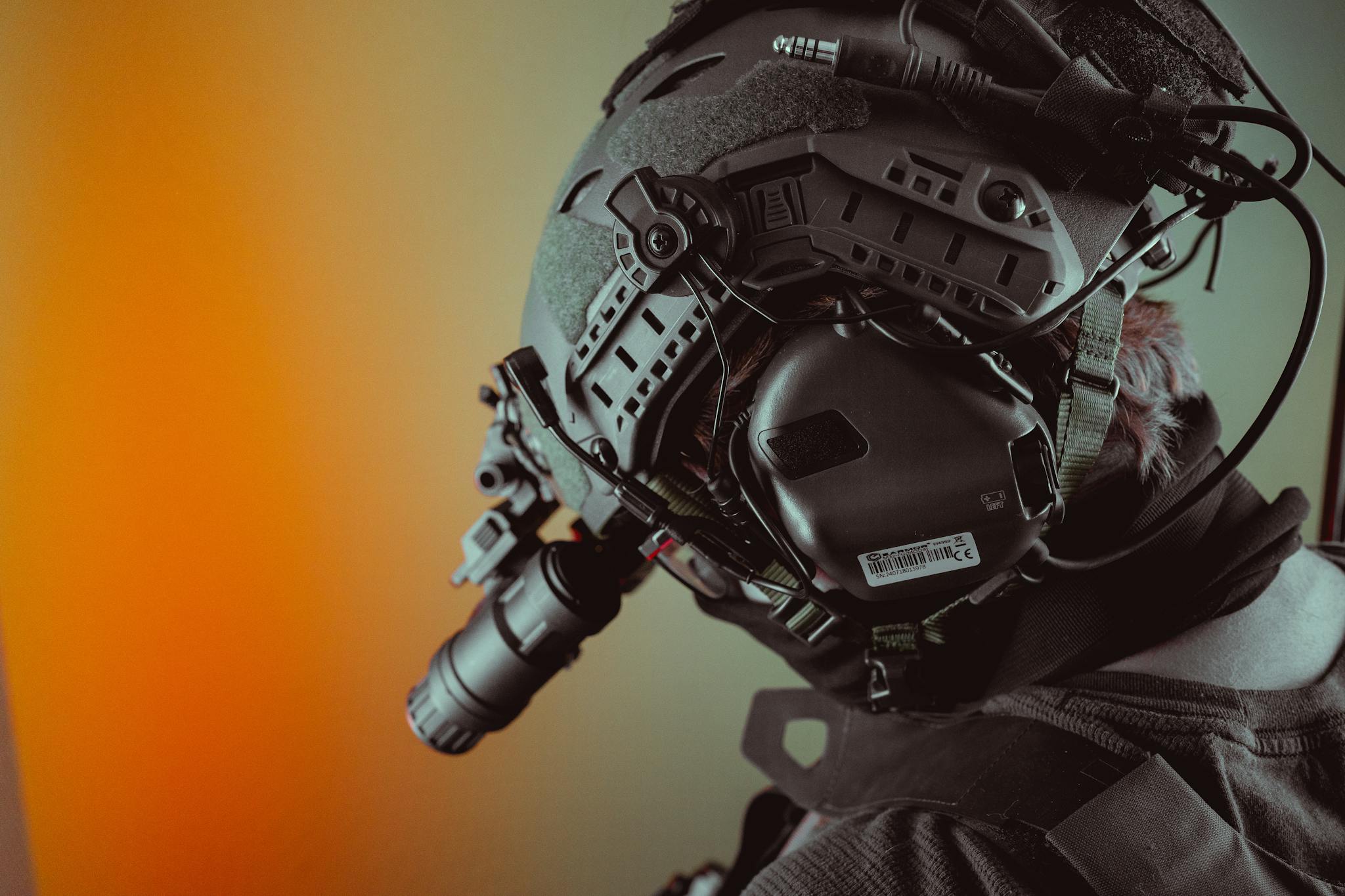
Trusted Buying Advice
Our guides are built to simplify complex purchasing decisions by focusing on the features, performance metrics, and real-world considerations that matter most to hunters and shooters.
Built for Hunters & Shooters
Every guide is created to answer the questions buyers actually have before making a purchase. We focus on performance, value, reliability, and field use—not just specifications.

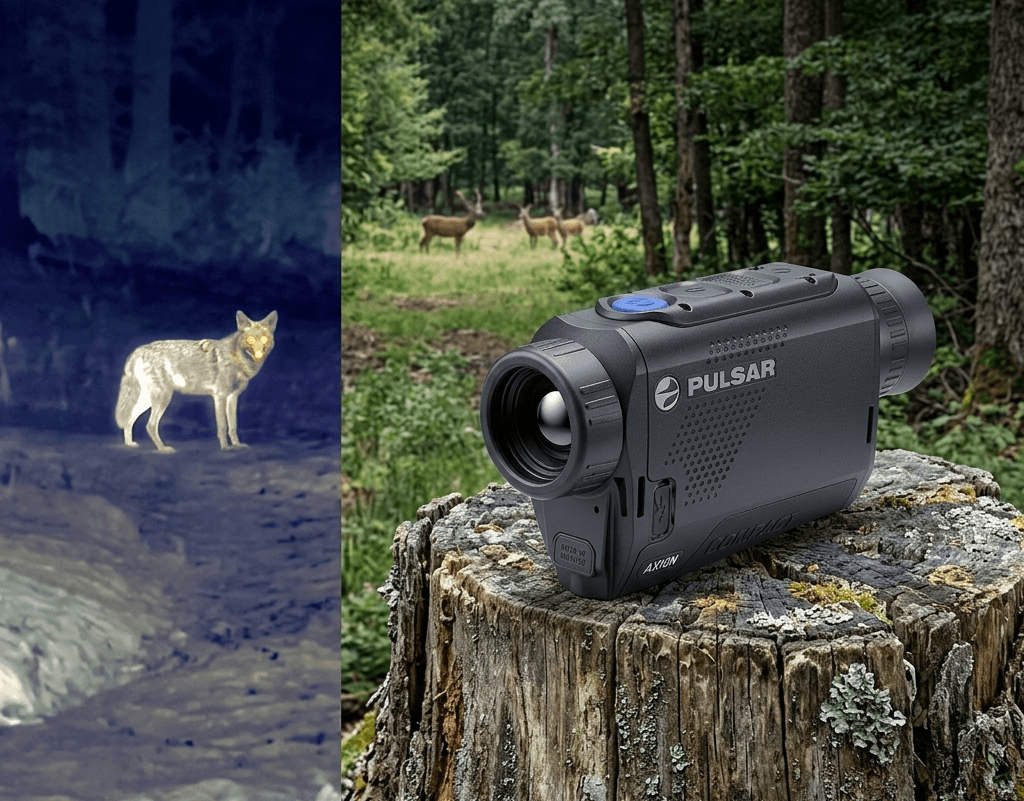
Start with the Right Knowledge
Understanding the fundamentals of thermal optics can help you avoid costly mistakes and choose equipment that matches your hunting style, terrain, and budget.
Buying Guides Designed for Real-World Performance
Whether you’re researching your first thermal scope or comparing premium thermal optics, our buying guides are designed to help you make informed decisions based on performance, value, and practical field application.
How to Choose a Thermal Scope
Learn how resolution, thermal sensitivity, lens size, and detection range impact performance in real hunting scenarios.
Thermal vs Night Vision
Understand the differences between thermal imaging and traditional night vision to determine which technology best fits your hunting style.
Understanding Thermal Resolution
Discover how 256, 384, 640, and 1280 resolution sensors affect image quality, identification distance, and overall performance.
How Much Should You Spend on a Thermal Scope?
Compare entry-level, mid-range, and premium thermal optics to understand what features matter most at each price point.
Choosing the Right Scope for Hog Hunting
Learn which thermal features are most important for fast-moving targets, close-range encounters, and nighttime hunting.
Thermal Scope Features Explained
Refresh rates, NETD, image enhancement, recording functions, and battery systems explained in plain English.
Why Trust Knight Armor Defense?
We understand that choosing the right optic is a significant investment. Our buying guides are created to provide practical, unbiased information that helps hunters and shooters evaluate equipment based on performance, reliability, and real-world use.
Rather than focusing solely on manufacturer specifications, we examine the factors that directly impact success in the field, including image quality, detection range, durability, battery life, and overall value.
Popular Thermal Scope Resources
Frequently Asked Questions About Thermal Scopes
Find answers to the most common questions buyers ask before investing in a thermal optics.