Field-Tested Thermal Optics, Night Vision & Hunting Gear Reviews

Compare top-rated thermal optics, night vision, and hunting equipment before you buy.

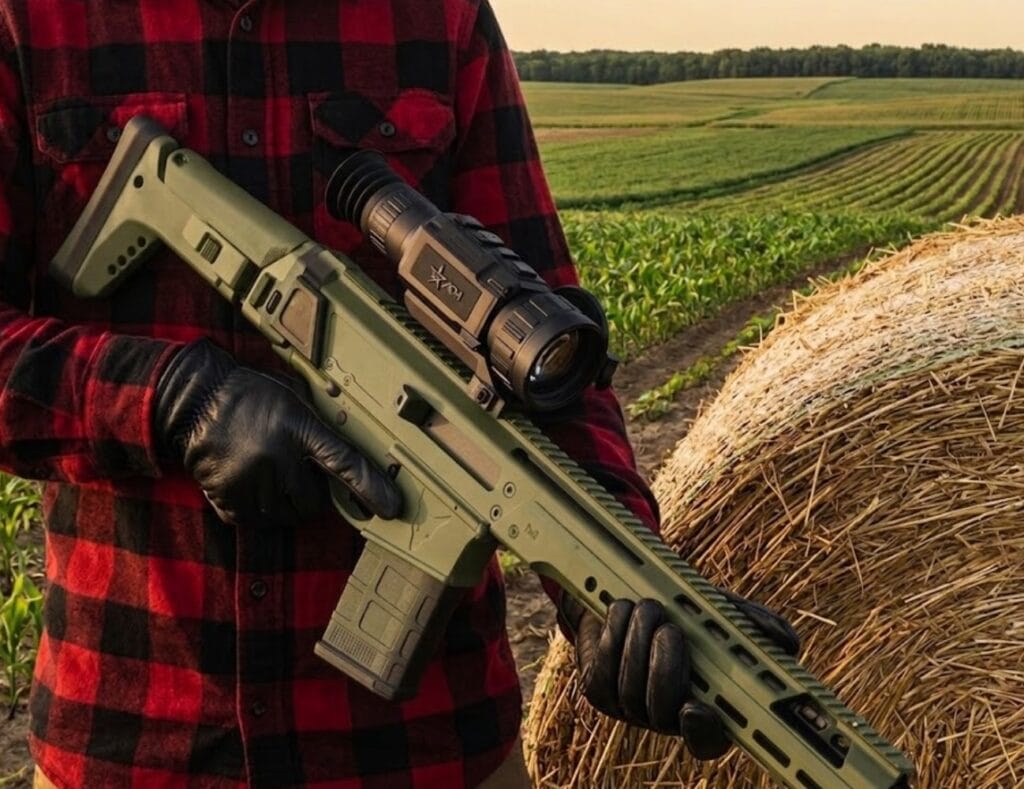
Farmer holding rifle with Thermal Scope mounted on it

Real-World Experience. Field-Tested Gear.

Backed by years of experience in the outdoor and tactical industry, our recommendations are built on real-world application, not theory.

  • Field-Tested Reviews
  • Side-by-Side Comparisons
  • Practical Buying Guides
Photography camera and rifle on textured surface, showcasing contrast and detail.

User-Friendly Guides

Detailed close-up of a person holding a rifle with a scope in a blurred indoor setting.

Focused on Value

Close-up view of a sniper rifle with a scope on display indoors, suitable for military or hunting themes.

Specialized Content

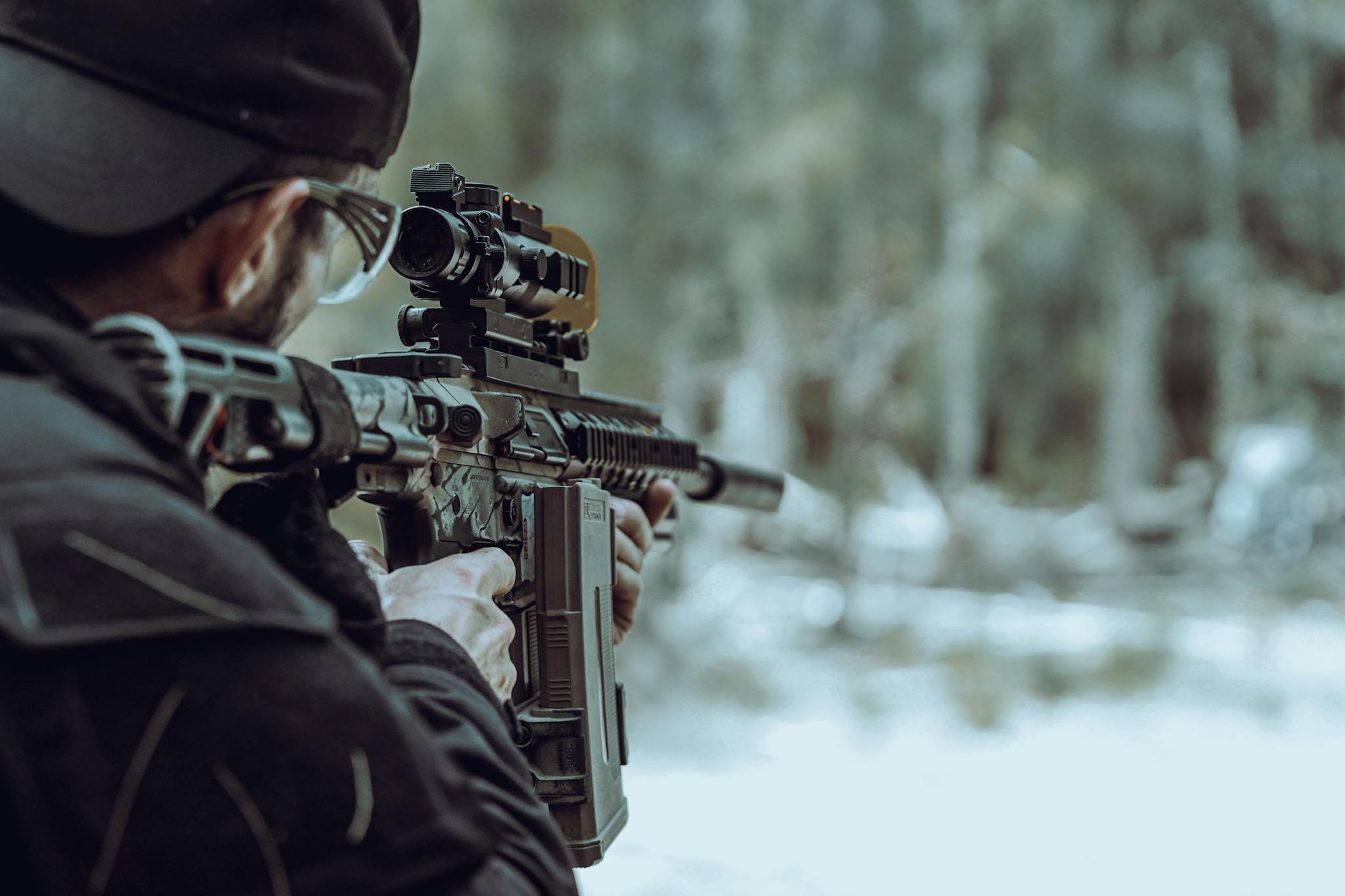
Man aiming rifle outdoors with a focus on target practice and firearm safety.

Expert Reviews

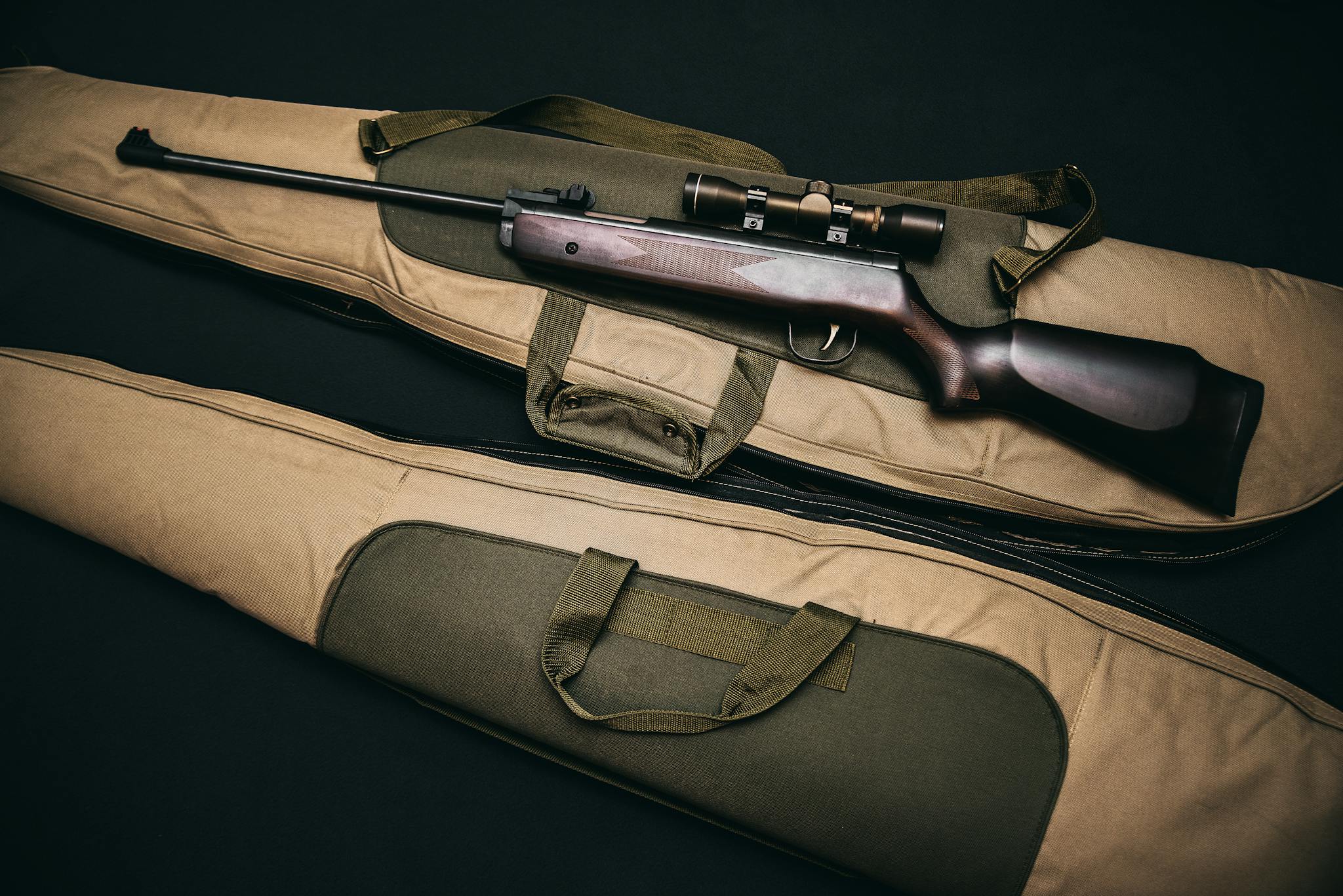
Close-up of a hunting rifle with a scope on a carrying bag, showcasing firearms and hunting gear.

Comprehensive Comparisons

Close-up of a tactical helmet equipped with night vision gear, emphasizing technology.

Field-Tested Recommendations

Top Rated Gear & Buying Guides

hunter looking through thermal scope hunting setup

Best Thermal Scopes (2026)

Precision for nighttime hunting.

night vision device displayed on a work bench with tools

Best Night Vision Devices

See clearly in complete darkness.

Detailed monochromatic image featuring a scoped rifle on a bipod outdoors.

Best Rifle Scopes for Hunting

See every detail, when it matters most.

Compare Top Gear

Thermal vs Night Vision

Split view of night vision device as seen through thermal and night vision

Best Thermal Under $3,000

Thermal scope placed on a tree stump in a wooded area

320 vs 640 Thermal

Showcasing thermal sensor resolution difference between 320 and 640

Latest gear reviews

Compare top-rated thermal optics, night vision, and hunting equipment before you buy.

Frequently Asked Questions About Thermal Optics, Night Vision & Riflescopes

Thermal imaging detects heat signatures emitted by animals, people, and objects, allowing users to locate heat sources in complete darkness. Traditional night vision amplifies available light to produce a visible image of the surrounding environment. Thermal optics are particularly effective for detecting wildlife, while night vision generally provides better environmental detail for navigation and observation.

The best thermal scope for hunting depends on sensor resolution, detection range, image quality, battery life, and budget. Popular thermal optics manufacturers include Pulsar, AGM Global Vision, Nocpix, iRayUSA, and ATN. Hunters should prioritize reliable target identification, a suitable field of view, and performance under actual hunting conditions rather than advertised detection distance alone.

Thermal scope detection range varies depending on sensor resolution, objective lens size, weather conditions, and target size. Some premium thermal scopes advertise detection distances exceeding 2,000 yards for large heat sources. However, detecting an animal is different from positively identifying it. Reliable identification generally occurs at considerably shorter distances.

Traditional image-intensifier night vision requires some available light to produce an image. In complete darkness, a compatible infrared illuminator can provide additional illumination. Digital night vision devices may also use infrared illumination, while thermal imaging systems detect heat and do not require visible or infrared illumination.

For general hunting applications, 3-9x and 4-12x riflescopes provide a practical balance of magnification, field of view, and portability. Hunters operating in dense timber often benefit from lower magnification, while open-country hunting may favor 4-16x or similar configurations. The ideal magnification depends on terrain, typical viewing distances, and intended use.

Thermal monoculars and thermal riflescopes serve different purposes. Handheld thermal monoculars are designed primarily for scanning, wildlife observation, and locating heat signatures. Thermal riflescopes are designed for firearm-mounted observation and aiming. Many hunters prefer a handheld thermal monocular for scanning because it allows observation without pointing a firearm toward unidentified objects.

Important buying considerations include sensor or image-intensifier quality, optical clarity, field of view, detection and identification capabilities, battery life, durability, warranty coverage, and intended application. Comparing real-world performance and independent reviews can help buyers determine whether a particular optic delivers meaningful value beyond its advertised specifications.

Thermal imaging and night vision hunting regulations vary by state, species, season, and jurisdiction. Some states permit thermal optics for certain predator or invasive-species hunting applications, while others restrict their use. Always verify current regulations with your state wildlife agency before using night vision or thermal equipment for hunting.

Established manufacturers in the thermal and night vision market include Pulsar, AGM Global Vision, ATN, Armasight, Nocpix, and other specialized optics companies. Each manufacturer offers products with different performance characteristics, pricing, and intended applications. Comparing specific models is more useful than selecting equipment based solely on brand reputation.

Knight Armor Defense provides educational articles, optics comparisons, and buying guides covering thermal imaging, night vision technology, riflescopes, and hunting equipment. Our goal is to help readers understand important specifications, compare equipment categories, and make informed decisions based on practical applications and individual needs.

Get the Best Gear Deals & Field Insights

Stay updated with top gear recommendations, reviews, and exclusive deals.