

Discover why thermal vision scopes are a game-changer for night tracking. Learn about infrared technology, detection ranges, and how AGM Global Vision optics provide an edge for hunters and tactical professionals.
Why Thermal Vision Scopes are Essential for Night Tracking
Tracking a target in the dead of night has historically been one of the most significant challenges for hunters, law enforcement, and military personnel. The limitations of the human eye are never more apparent than when the sun goes down, leaving us reliant on technology to level the playing field.
While traditional night vision has its place, thermal vision scopes have revolutionized the way we approach the darkness. Unlike systems that require ambient light to function, thermal imaging operates on a completely different physical principle: heat. By detecting infrared radiation rather than visible light, these optics allow users to see through fog, smoke, and light foliage in total darkness. In this guide, we will explore the mechanics of thermal technology, why it has become an indispensable tool for night tracking, and how industry-leading optics from AGM Global Vision are setting the standard for performance in the field.
How Thermal Imaging Works: The Science of Heat
To understand why thermal vision scopes are so effective, you have to look at the science behind the lens. Every object with a temperature above absolute zero emits infrared radiation.
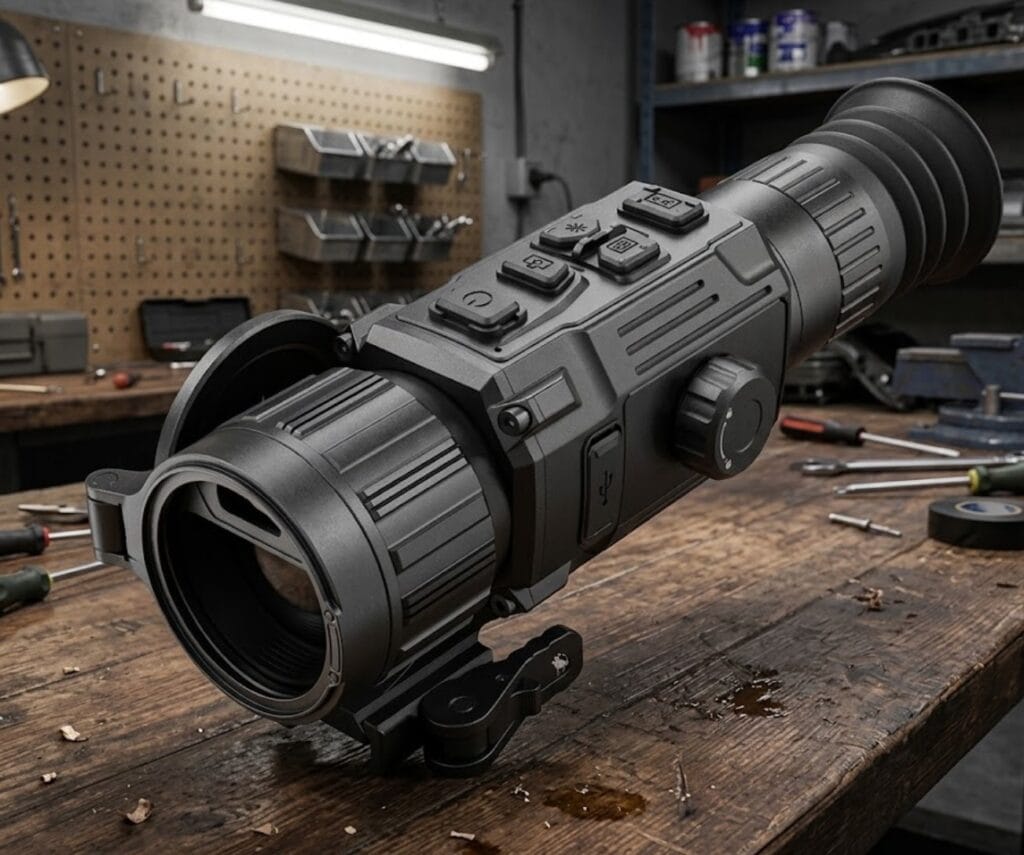
Infrared Detection
Thermal scopes utilize specialized infrared sensors (microbolometers) to detect this radiation. Because animals, humans, and running vehicle engines are significantly warmer than their surroundings, they stand out with incredible clarity.
Heat Signature Contrast
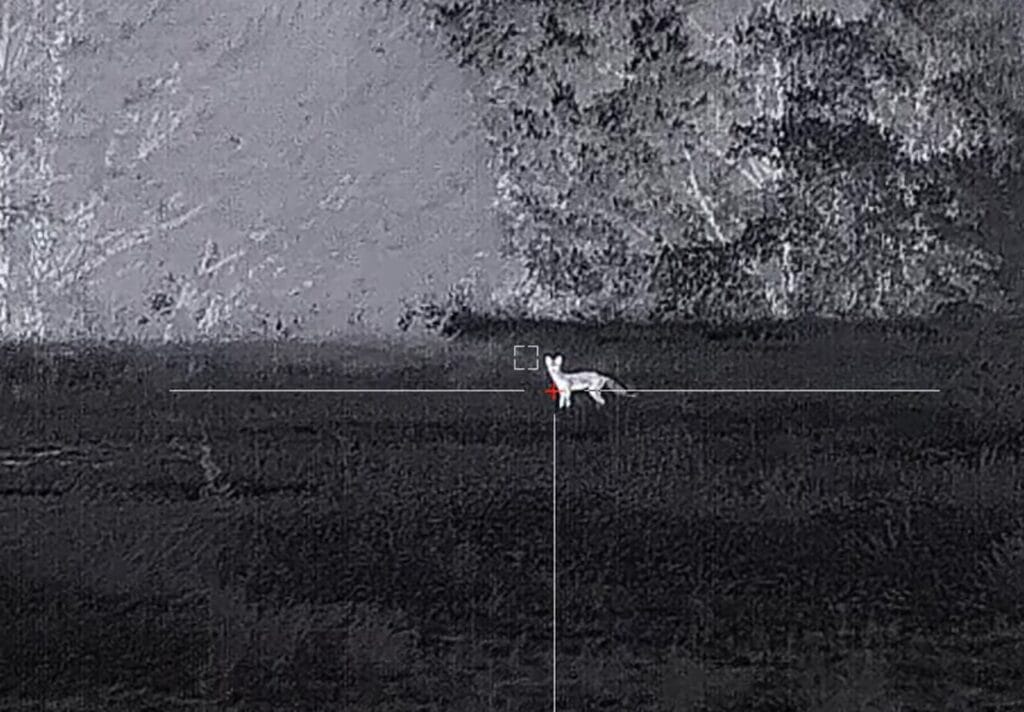
The effectiveness of a thermal optic relies on “Delta T” the temperature difference between the target and the background. In a night tracking scenario, a feral hog or a coyote will have a starkly different heat signature than the cool night air or a grove of trees. This contrast makes detection almost instantaneous.
No Light Required
This is the primary advantage over “active” or “digital” night vision. Traditional night vision requires at least some moon or starlight (or an IR illuminator) to create an image. If you are in a basement, a dense forest canopy, or a moonless night, night vision can fail. Thermal vision scopes require zero light to produce a high-contrast image.
Penetration Through Obstacles
Because thermal imaging detects heat waves, it can often “see” through environmental obstructions that stop light-based systems. This includes:
- Heavy Fog and Mist: Which scatters visible and IR light.
- Smoke: Making it a favorite for search and rescue.
- Light Foliage: Helping hunters spot a deer bedded down in tall grass or brush.
Key Benefits of Thermal Vision Scopes for Night Tracking
When you’re in the field, specs on a box don’t matter, performance does. Here is why high-end thermal optics are considered essential gear for modern nighttime operations.
1. Extended Detection Range
One of the most critical factors in night tracking is the ability to spot a target long before it spots you. High-resolution thermal sensors, such as those found in the AGM Rattler or AGM Varmint series, allow for detection ranges that often exceed 1,000 meters.
Having a powerful germanium lens and a high-grade thermal core ensures that you aren’t just seeing a “blob” in the distance, but a identifiable heat signature that allows you to plan your approach or your shot with precision.
2. Seamless Integration and Versatility
Modern optics have moved beyond bulky, standalone units. For many professionals, a Thermal Clip-On is the preferred choice. These devices mount directly in front of your existing daytime riflescope.
- No Re-Zeroing Required: High-quality clip-ons maintain your day optic’s zero, allowing for a quick transition from day to night.
- Consistency: You get to keep your preferred reticle and magnification settings while adding thermal capability.
- Flexibility: It allows one rifle to serve multiple roles without the need for dedicated night-only setups.
3. High-Performance Target Identification
Identification is the most important part of any tracking or hunting mission. You need to know exactly what you are looking at; is it a coyote, or the neighbor’s dog? Is it a target, or a non-combatant?
AGM Global Vision optics utilize advanced image processing algorithms to refine details. With features like:
- Multiple Color Palettes: (White Hot, Black Hot, Red Hot, and Fusion) to suit different environments.
- High Refresh Rates: Standard 50Hz or 60Hz rates ensure that moving targets don’t look “choppy” or laggy, which is vital for leading a shot on a moving animal.
4. Durability for the Real World
Night tracking rarely happens in perfect weather. It happens in the rain, the snow, and the dust. Professional-grade thermal scopes are built with aircraft-grade aluminum housings and are rated for water and dust resistance (typically IP67). They are designed to withstand the recoil of high-caliber rifles and the bumps of a tactical environment.
Real-World Applications: From the Field to the Front Line
For the Hunter: The Ultimate Predator Tool
Hunters have perhaps benefited the most from the rise of thermal technology.
- Locating Hidden Game: Many animals are naturally nocturnal. Thermal allows you to scan a field and see the “glow” of a group of hogs or a predator that would be completely invisible to the naked eye.
- Ethical Shot Placement: Because you can see the heat signature of the animal’s body, it is easier to identify the vitals, leading to cleaner, more humane harvests.
- Stealth: You don’t need to shine a bright red or green spotlight across the field, which often spooks pressured game.
Tactical and Law Enforcement Benefits
In a tactical environment, thermal vision is a force multiplier.
- Surveillance: Officers can monitor a scene from a distance without giving away their position.
- Search and Rescue: Finding a lost person in the woods is significantly faster with a thermal monocular or scope, as the human body stands out against the cooler earth.
- Suspect Apprehension: Thermal can detect heat signatures left behind on surfaces (like a warm car engine or a recently discarded item) and see suspects hiding in shadows or behind thin cover.

Choosing the Right Gear: The AGM Global Vision Advantage
When selecting a thermal vision scope, you are investing in your ability to see the unseen. AGM Global Vision has carved out a massive reputation in the shooting sports world by offering professional-grade specs at price points that are accessible to both the serious hobbyist and the professional operator.
Why AGM Stands Out:
- Leading Sensor Technology: AGM uses high-sensitivity thermal cores that provide crisp imagery even in low-contrast conditions.
- Rugged Reliability: Their products are “mission-ready,” meaning they are tested to handle the rigors of recoil and environmental stress.
- Feature-Rich Units: From built-in video recording and Wi-Fi streaming to integrated laser rangefinders (on models like the AGM Varmint LRF), these scopes offer the tech modern users demand.
- Customer Support: Based in the USA, AGM provides the kind of technical support and warranty service that shooters expect when buying high-end electronics.
Conclusion: Elevate Your Night Game
Whether you are protecting livestock from predators, conducting professional surveillance, or simply enjoying the challenge of nighttime hunting, a thermal vision scope is no longer a luxury, it’s an essential. The ability to detect heat signatures and maintain total situational awareness in complete darkness is a game-changer. By choosing an optic from a trusted brand like AGM Global Vision, you are ensuring that your gear is as tough and capable as you are. Don’t let the sunset end your mission. Invest in thermal, and own the night.
FAQ Section
Frequently Asked Questions about Thermal Vision Scopes